
The Independent's journalism is supported by our readers. When you purchase through links on our site, we may earn commission.
- Lifestyle
- Health & Families
An overload of holiday stress could lead to dangerous and deadly heart conditions, experts warn
Julia Musto in New York Thursday 18 December 2025 20:24 GMT- Bookmark
- CommentsGo to comments
Bookmark popover
Removed from bookmarks
Close popover
 CloseSleigh this year's holiday stress
Get the Well Enough newsletter by Emilie Lavinia and make sense of the wild world of wellness
Get our wellbeing editor's newsletter: Well Enough by Emilie Lavinia
Get the Well Enough email by Emilie Lavinia
Email*SIGN UPI would like to be emailed about offers, events and updates from The Independent. Read our Privacy notice
The holidays are a time to pause, reflect and enjoy the company of family and friends - but they can also be a stress-fest.
There’s the expense of gift shopping, travel headaches - and not every interaction with family members is destined to be a peaceful one.
More than half of Americans were more stressed out around the holidays than at the beginning of 2025, according to a recent report from insurer Allianz Global. And the American Psychological Association found that at least half of U.S. adults report feeling lonely or left out at this time of year.
This added stress can weigh on our physical health. Stress is known risk factor for high blood pressure, diabetes and various cardiac events known as “holiday heart syndrome.”
But, experts have a number of ways to take that festive fretting down a notch.
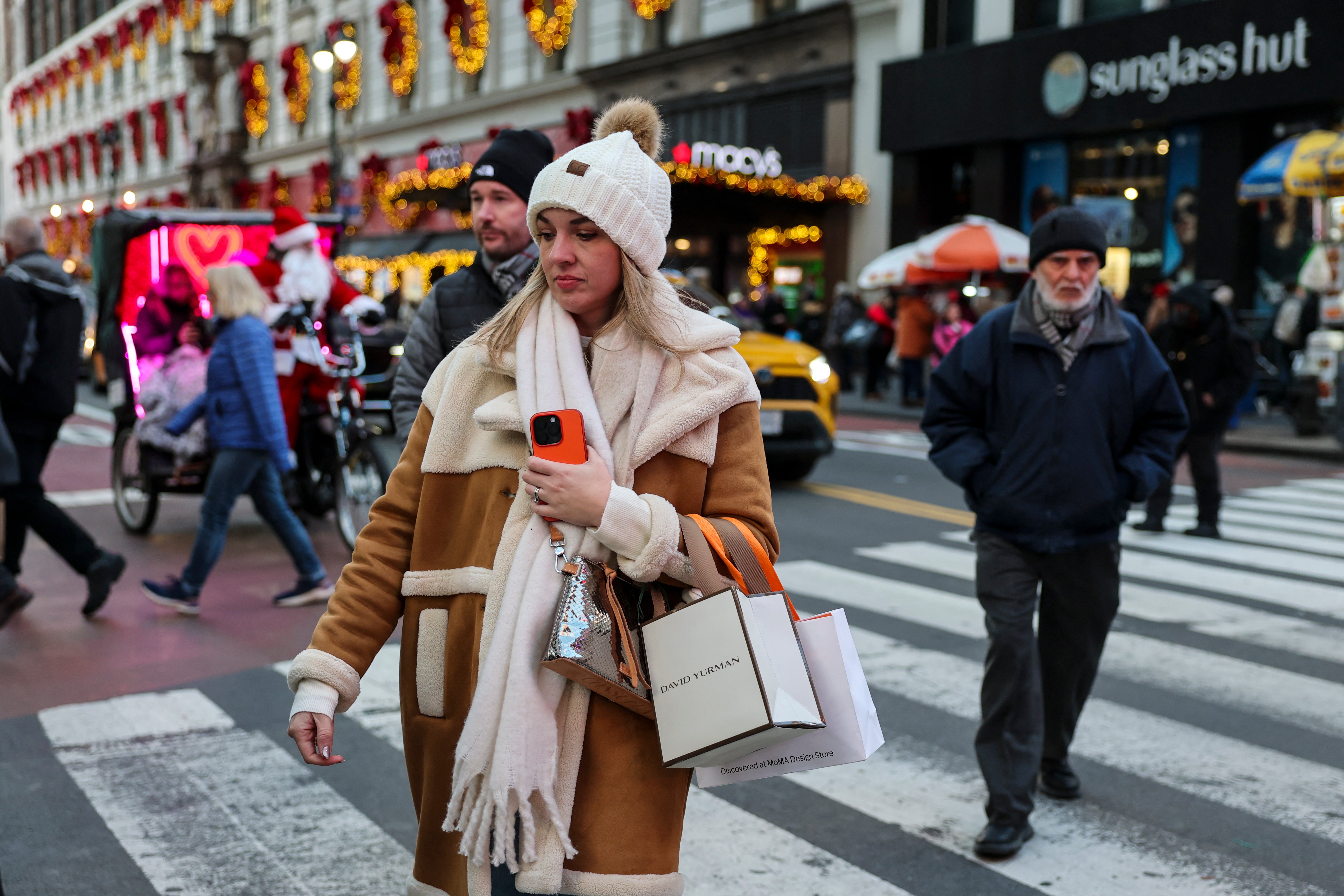 open image in galleryA woman shops in New York City earlier this month. More than half of Americans were more stressed out around the holidays than at the beginning of 2025, according to a recent report from insurer Allianz Global. (AFP via Getty Images)
Just say ‘no’
Saying no can be hard - especially for people pleasers and those who avoid conflict - and doing so becomes even harder as invitations to holiday cocktail parties, office gift exchanges, Santa-Con bar crawls or drinks with your in-laws flood in.
But polite declines in some instances are necessary to protect your mental health. “People feel pressure to please others during the holidays, but overcommitting only adds stress,” said Dr. Kimberly Sain, a psychologist at Hartford HealthCare’s Anxiety Disorders Center. “It’s okay to set boundaries and decline when you need to.”
That’s easier said than done. But, saying “no” clearly and directly with grace can help avoid any awkward situations.
Using an “I” statement can help ensure the other person does not feel blamed, according to the mental health company Calm. Your message can be as simple as: “Thank you so much for thinking of me. Unfortunately, I am not available to attend this event.”
"A graceful 'no' is really about honesty delivered with warmth," etiquette expert and coach Myka Meier told marthastewart.com.
If you’re looking for other options, there are plenty of etiquette guides online that can help you decline without the guilt.
Money matters
Between presents, travel, food and tickets to The Nutcracker, the holidays can result in some major credit card bills down the road.
Mindful spending can be the difference between feeling good at the end of the season, and skimping on groceries in the coming weeks. Budgeting and keeping gifts at a price limit can help reduce any unnecessary financial stress and expenditures.
Plan out what you have to spend and take into account any future expenses using a finance planner. Make sure to add up all of your charges as they come in to ensure you’re on track and save any receipts.
“Experts agree that it helps to write down a list of all the people for whom you plan to shop, before you hit the stores or turn on the computer. Next to each name write down what you want to buy for that person, and how much you want to spend,” the American Bankers Association advises.
And though Black Friday is over, there are still many end-of-the-year deals online and in stores. Several websites even share promo codes to to apply at checkout that could help you save at least a little of what you’re spending - even without a holiday sale. Although, making your presents is always an option and often seen as more heartfelt.
“Spending money on your loved ones is important, but it's also important to pay your energy bill,” the Mayo Clinic notes. “Don't buy gifts that you'll be paying off for the rest of the year.”
Make space from your screen
There’s no shortage of holiday-related content. The Grinch, Elf, Christmas with the Kranks, The Holiday and 24 hours of A Christmas Story on TBS are annual must-sees, as well as the array of sports coverage.
But too much time watching screens can stress the brain, according to Maris Loeffler, a family and marriage therapist with the Stanford Lifestyle Medicine team.
“Passive screen time is like eating sugar but for your brain. It ‘tastes’ good, and you want it now, but you’re not actually feeding yourself. You’re not giving your brain any nutrition,” she explained.
Instead, replace screen time with healthier and energizing habits, such as exercise, time in nature, sleep and social connection. Taking a brief walk outside can alleviate stress and support mental health, decreasing levels of the hormone known as cortisol, which rises when we stress. And being active - even if it’s just walking or dancing to your favorite holiday pop song - can also strengthen our physical health.
“Getting moderate exercise such as walking can enhance our mood while it strengthens our hearts and reduces our risk for diabetes, cancer and numerous other health issues,” Julie Garden-Robinson, a food and nutrition specialist with North Dakota State University, said.
Reaching out
The reason for the season comes without tags, packages, boxes or bags, as the Grinch found out. Spending real, quality time with your loved ones is biologically shown to reduce stress.
It helps decrease any bad feelings and helps to boost hormones proven to keep us feeling happier, such as oxytocin , serotonin and dopamine.
“Physical touch is a great way to boost oxytocin levels,” Priscilla Riley, a licensed clinical professional counselor at Geisinger Health, said. “But getting exercise and singing with other people also seem to work.”
However, if you cannot be near your loved ones this season, there are still ways to find social interaction.
Faith or community-based groups can help, as well as FaceTimes or calls with family and friends, the Substance Abuse and Mental Health Services Administration says.
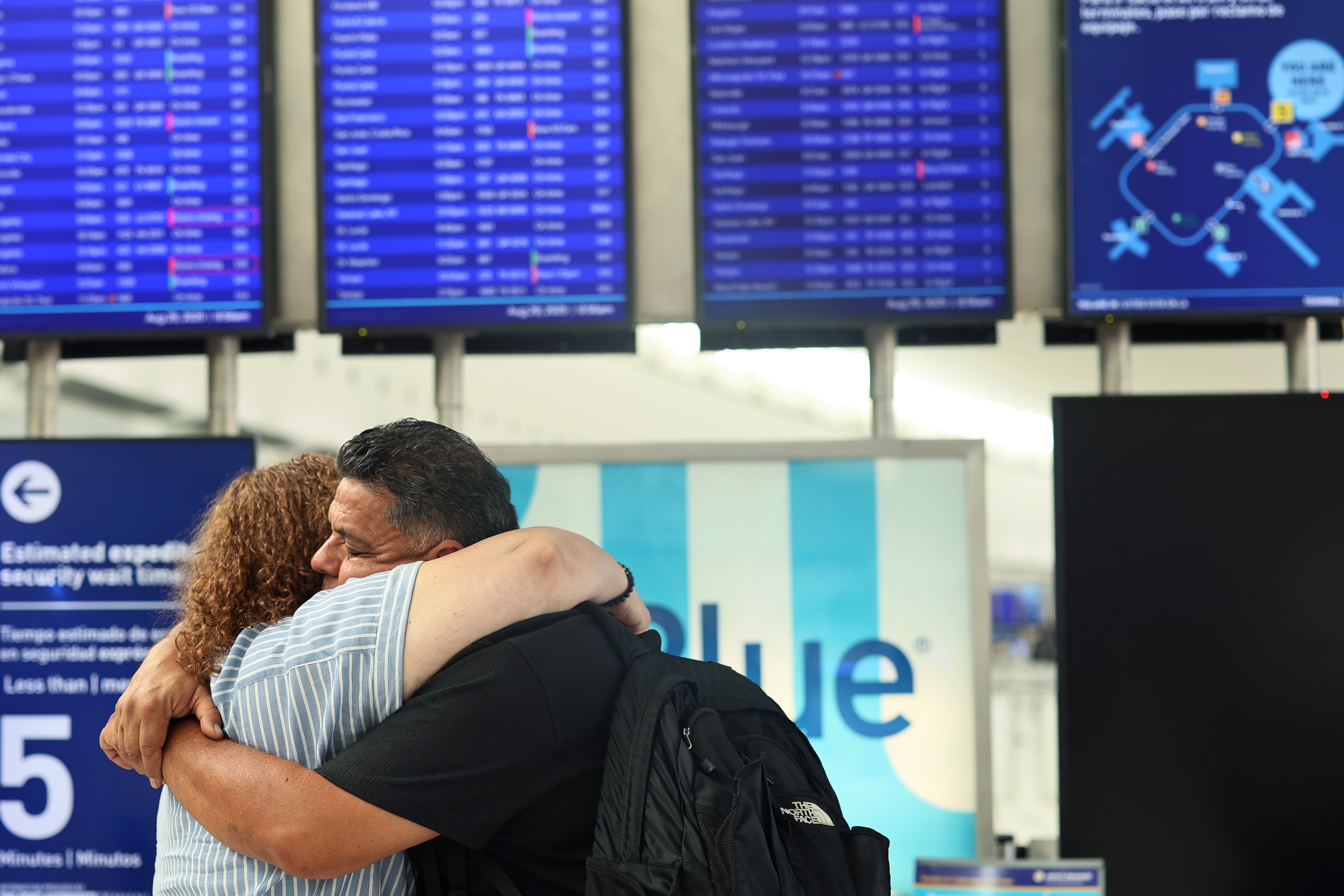 open image in galleryA couple hugs in New York City’s John F. Kennedy International Airport. Spending time with loved ones is scientifically shown to reduce stress (Getty Images)
Heart to heart
Holiday stress can impact much more than just mental health. It can take a physical toll - especially on the heart.
“Long-term - or chronic - stress can cause higher levels of inflammation in the body that contribute to increases in plaque buildup in the arteries - and that can lead to such problems as coronary artery disease,” Yale Medicine cardiologist Dr. Rachel Lampert said.
Coronary artery disease can lead to heart attack, abnormal heart rhythms and heart failure. The condition affects more than 20 million U.S. adults and is a leading cause of death.
Doctors have also issued warnings about so-called “holiday heart syndrome,” which includes heart failure, heart attacks and an irregular and rapid heartbeat known as atrial fibrillation.
More than 10.5 million American adults live with atrial fibrillation, according to the University of California at San Francisco. Holiday heart syndrome is most commonly driven by increased alcohol consumption, but high blood pressure caused by stress is also a trigger.
"The 'Christmas Coronary Effect' is a real and concerning phenomenon," Dr. Marcus St. John, an interventional cardiologist at the Baptist Health Miami Cardiac & Vascular Institute, said. "The combination of stress, overindulgence, and delayed care creates a perfect storm for heart attacks during the holidays."
More about
StressMental HealthHolidayholidaysMoneyJoin our commenting forum
Join thought-provoking conversations, follow other Independent readers and see their replies
Comments