
- News
- World
- Americas
- US politics
The incident saw a Black Hawk helicopter apparently fly into the path of an American Airlines regional jet as it was landing
Via AP news wire Thursday 18 December 2025 00:57 GMT- Bookmark
Bookmark popover
Removed from bookmarks
Close popover
 CloseSalvage operations underway on Potomac River following DC plane crash
Sign up for the daily Inside Washington email for exclusive US coverage and analysis sent to your inbox
Get our free Inside Washington email
Get our free Inside Washington email
Email*SIGN UPI would like to be emailed about offers, events and updates from The Independent. Read our Privacy notice
The U.S. government has formally admitted its role in the tragic January air collision near Washington, D.C., which claimed 67 lives.
In its official response to the first lawsuit filed by a victim's family, authorities conceded that both the Federal Aviation Administration (FAA) and the Army contributed to the disaster.
The government's liability stems partly from an air traffic controller's procedural violations regarding visual separation, alongside the Army helicopter pilots' "failure to maintain vigilance so as to see and avoid" the approaching airline jet. However, the filing also suggested potential involvement from other parties, including the jet's pilots and the airlines themselves. American Airlines and its regional partner, PSA Airlines, which were also named in the lawsuit, have since filed motions seeking dismissal.
The incident saw a Black Hawk helicopter apparently fly into the path of an American Airlines regional jet as it was landing at Ronald Reagan National Airport in northern Virginia. Following the crash, 28 bodies were recovered from the icy waters of the Potomac River. The aircraft was carrying 60 passengers and four crew members, while three soldiers were aboard the helicopter, bringing the total fatalities to 67.
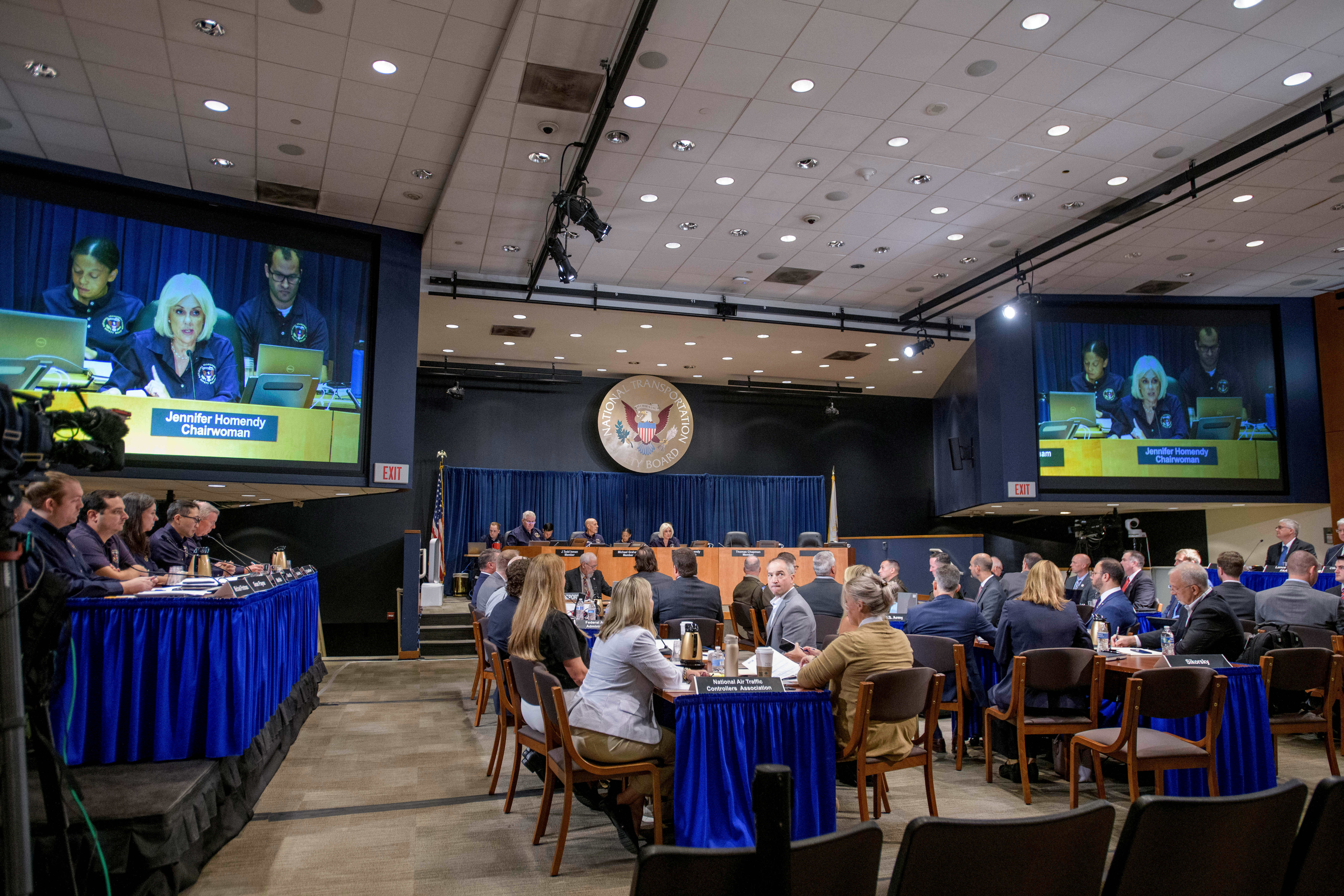 The National Transportation Safety Board will release its report on the cause of the crash early next year. (AP Photo/Rod Lamkey, Jr., File)
Robert Clifford, one of the attorneys for the family of victim Casey Crafton said the government admitted “the Army’s responsibility for the needless loss of life” and the FAA’s failure to follow air traffic control procedures while “rightfully” acknowledging others –- American Airlines and PSA Airlines -– also contributed to the deaths.
The families of the victims “remain deeply saddened and anchored in the grief caused by this tragic loss of life,” he said.
The National Transportation Safety Board will release its report on the cause of the crash early next year, but investigators have already highlighted a number of factors that contributed, including the helicopter flying too high on a route that allowed only scant separation between planes landing on Reagan's secondary runway and helicopters passing below. Plus, the NTSB said, the FAA failed to recognize the dangers around the busy airport even after 85 near misses in the three years before the crash.
Before the collision, the controller twice asked the helicopter pilots whether they had the jet in sight, and the pilots said they did and asked for visual separation approval so they could use their own eyes to maintain distance. FAA officials acknowledged at the NTSB’s investigative hearings that the controllers at Reagan had become overly reliant on the use of visual separation. That’s a practice the agency has since ended.
Witnesses told the NTSB that they have serious questions about how well the helicopter crew could spot the plane while wearing night vision goggles and whether the pilots were even looking in the right spot.
