- News
- UK
- Home News
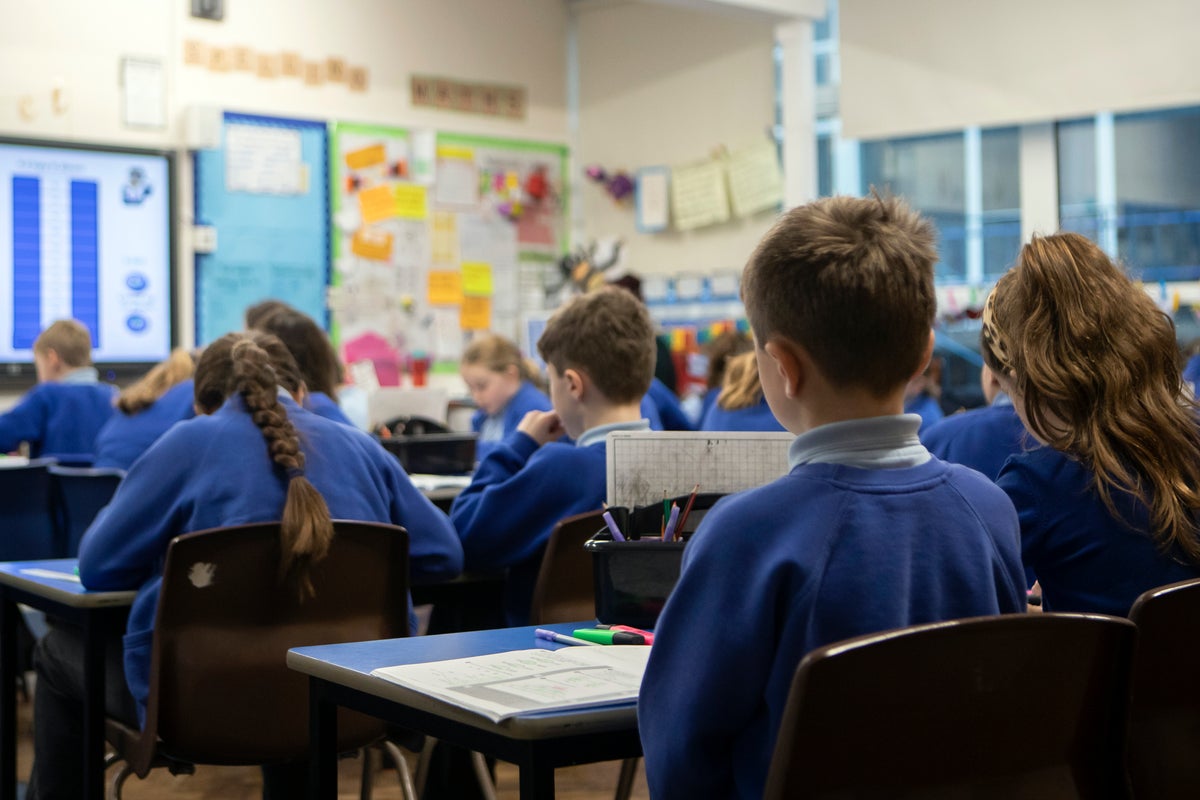
Ministers have unveiled sweeping reforms to the SEND system
Jasmine Norden Friday 06 March 2026 00:01 GMT- Bookmark
- CommentsGo to comments
Bookmark popover
Removed from bookmarks
Close popover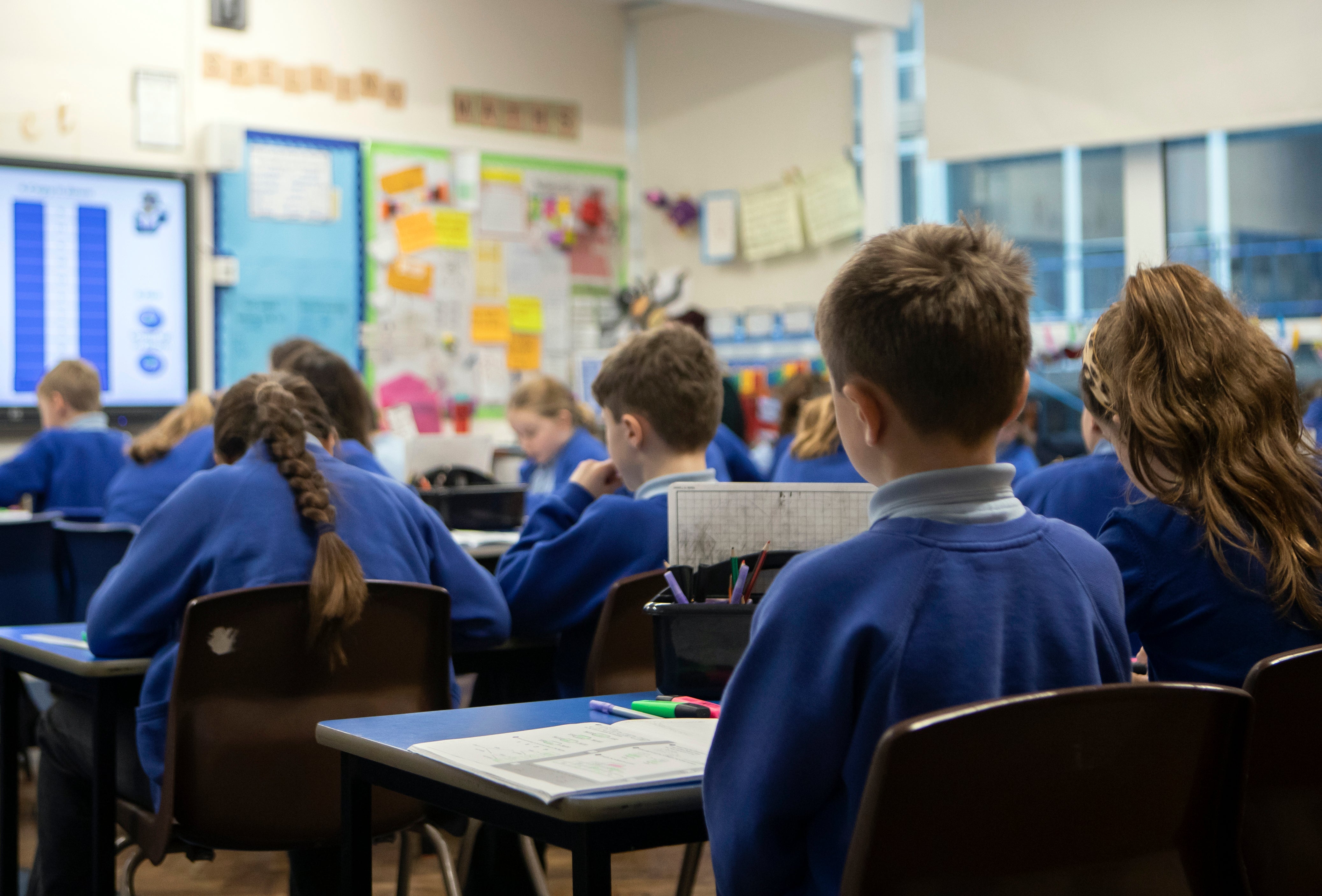 open image in galleryMinisters have unveiled sweeping reforms to the SEND system (Danny Lawson/PA Wire)
Get the free Morning Headlines email for news from our reporters across the world
Sign up to our free Morning Headlines email
Sign up to our free Morning Headlines email
Email*SIGN UPI would like to be emailed about offers, events and updates from The Independent. Read our Privacy notice
MPs have warned that proposed reforms to the special educational needs and disabilities (SEND) system leave critical questions unanswered regarding home-to-school transport and council deficits.
The Public Accounts Committee (PAC) has urged the government to clarify, as a matter of urgency, how it plans to support councils facing ongoing SEND deficits and the high costs of transporting children to school in taxis, coaches, and buses.
This intervention follows ministers’ unveiling of sweeping reforms to the SEND system, intended to make it more inclusive for children with additional needs and, in the long term, reduce costs for local authorities.
However, an inquiry by MPs found that these plans do not cover the significant cost pressures arising from home-to-school transport. PAC member Rachel Gilmour stated that MPs are pleased the government is "beginning to grasp the nettle that is the SEND emergency."
“But a problem this chronic and severe demands a response that does not leave any unanswered questions for children and families,” she added.
“Unfortunately, our inquiry has identified a number of glaring ones for home-to-school transport – a problematic system for parents on which government spends multiple billions a year not covered by government’s recent announcements.”
 open image in galleryThe Public Accounts Committee (PAC) has urged the government to clarify, as a matter of urgency, how it plans to support councils facing ongoing SEND deficits and the high costs of transporting children to school in taxis, coaches, and buses (PA Wire)
Councils will have 90 per cent of their high-needs deficits accrued up to this year written off, and SEND costs will be managed within the overall Government budget from 2028.
This leaves councils uncertain what will happen to any deficits that arise between now and 2028, PAC said.
The new funding arrangements do not cover home-to-school transport costs.
The County Councils Network has estimated councils transported a record high 206,000 children and young people up to age 25 with SEND to school last year at a cost of £2 billion.
A report by the National Audit Office last year found councils in England spent £415 million more than budgeted on home-to-school transport in 2023/24, with total spending growing 70 per cent from 2015/16 to then.
The Department for Education (DfE) is highly reliant on the SEND reforms to solve problems with home-to-school transport, MPs said, as the reforms aim to make local schools more inclusive, which should reduce the need for transporting children with SEND to schools further away.
 open image in galleryThe Ministry of Housing, Communities and Local Government has set out the detail for how home-to-school transport will be funded, but not how it will monitor whether this is successful, the report added (AFP/Getty)
Even if they are successful at this, it is likely to be some time before savings materialise, PAC’s report states, and calls for the DfE to set out when it expect savings to start to be made.
MPs also said the DfE does not understand how access to transport is affecting attendance, or how difficult it is for parents to navigate the home-to-school transport system, particularly once their children are over 16.
Declining local bus services, particularly in rural areas, have reduced travel options and increased reliance on the council providing home-to-school transport, the committee’s inquiry found.
MPs said: “A move to local bus franchising, where local authorities decide the routes, timetables and fares for local services provides an opportunity to replace expensive contracts with lower-cost alternatives.”
The Ministry of Housing, Communities and Local Government has set out the detail for how home-to-school transport will be funded, but not how it will monitor whether this is successful, the report added.
Cllr Bill Revans, SEND spokesperson for the County Councils Network, said the network has estimated councils could be spending £3.4 billion on SEND schools’ transport by 2030 if nothing changes.
“Fortunately, the government’s SEND reforms have real potential to contain these costs, if implemented in full as outlined last month,” he said.
However, Mr Revans added that even if the reforms do make a difference, county and rural councils face bigger financial pressures due to transporting pupils over longer distances.
“In total, county areas face an £11 billion funding black hole, with school transport costs a significant factor. We urge the government to look again at what support it can give to county authorities who face the largest transport bills,” he said.
More about
TransportSchoolsDisabilitiesJoin our commenting forum
Join thought-provoking conversations, follow other Independent readers and see their replies
Comments