- Pro
pureLiFi introduces high-speed light-based internet at MWC 2026
When you purchase through links on our site, we may earn an affiliate commission. Here’s how it works.
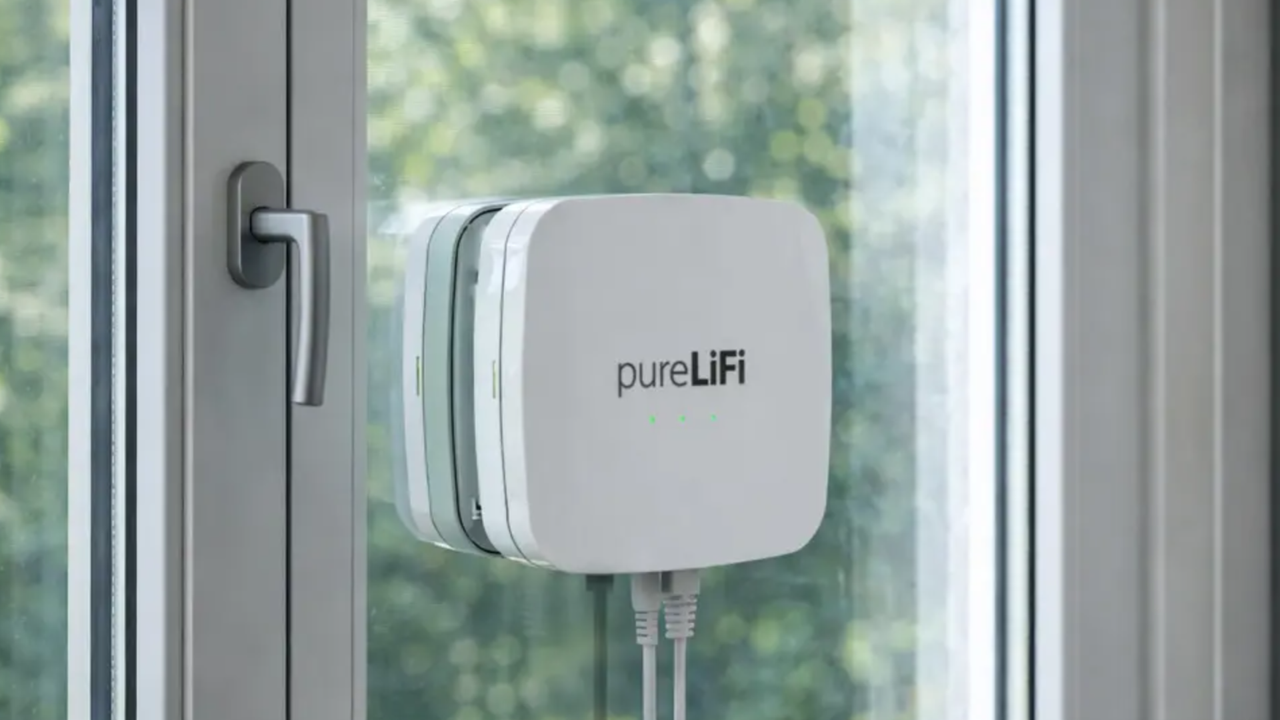
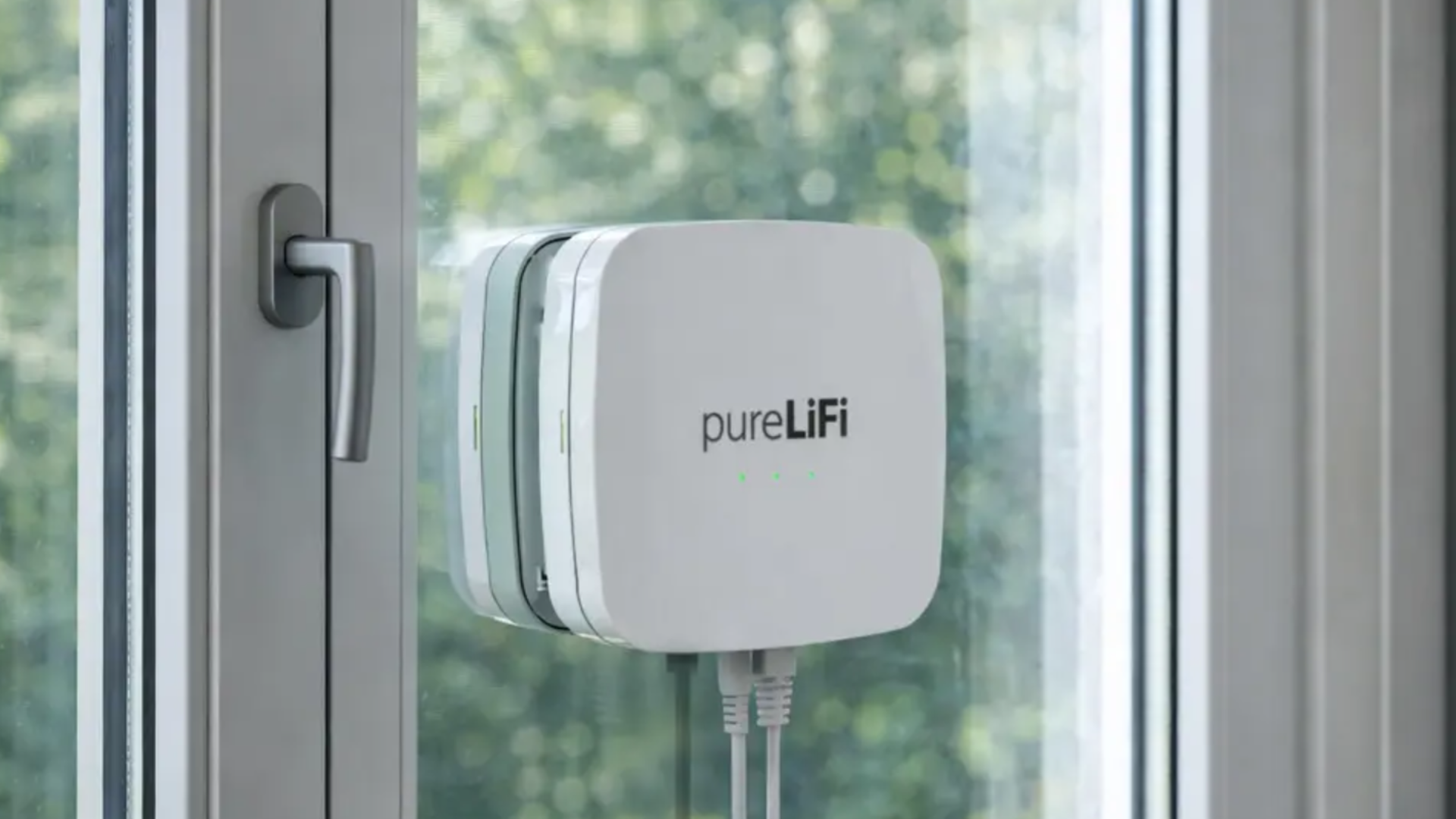 (Image credit: pureLiFi)
- Copy link
- X
- Threads
Sign up for breaking news, reviews, opinion, top tech deals, and more.
Contact me with news and offers from other Future brands Receive email from us on behalf of our trusted partners or sponsors By submitting your information you agree to the Terms & Conditions and Privacy Policy and are aged 16 or over.You are now subscribed
Your newsletter sign-up was successful
An account already exists for this email address, please log in. Subscribe to our newsletter- LiFi delivers high-speed connectivity using visible light instead of radio frequencies
- The Bridge XC Flex enables self-installation without professional setup or drilling
- Installation under five minutes drastically reduces costs for broadband providers
At MWC 2026, pureLiFi introduced what it calls a new phase of wireless connectivity built on light-based data transmission rather than radio frequencies.
The company says its High-Bandwidth Architecture is capable of reaching 10Gbps, and is the “New Connectivity DNA” for networks evolving beyond 5G.
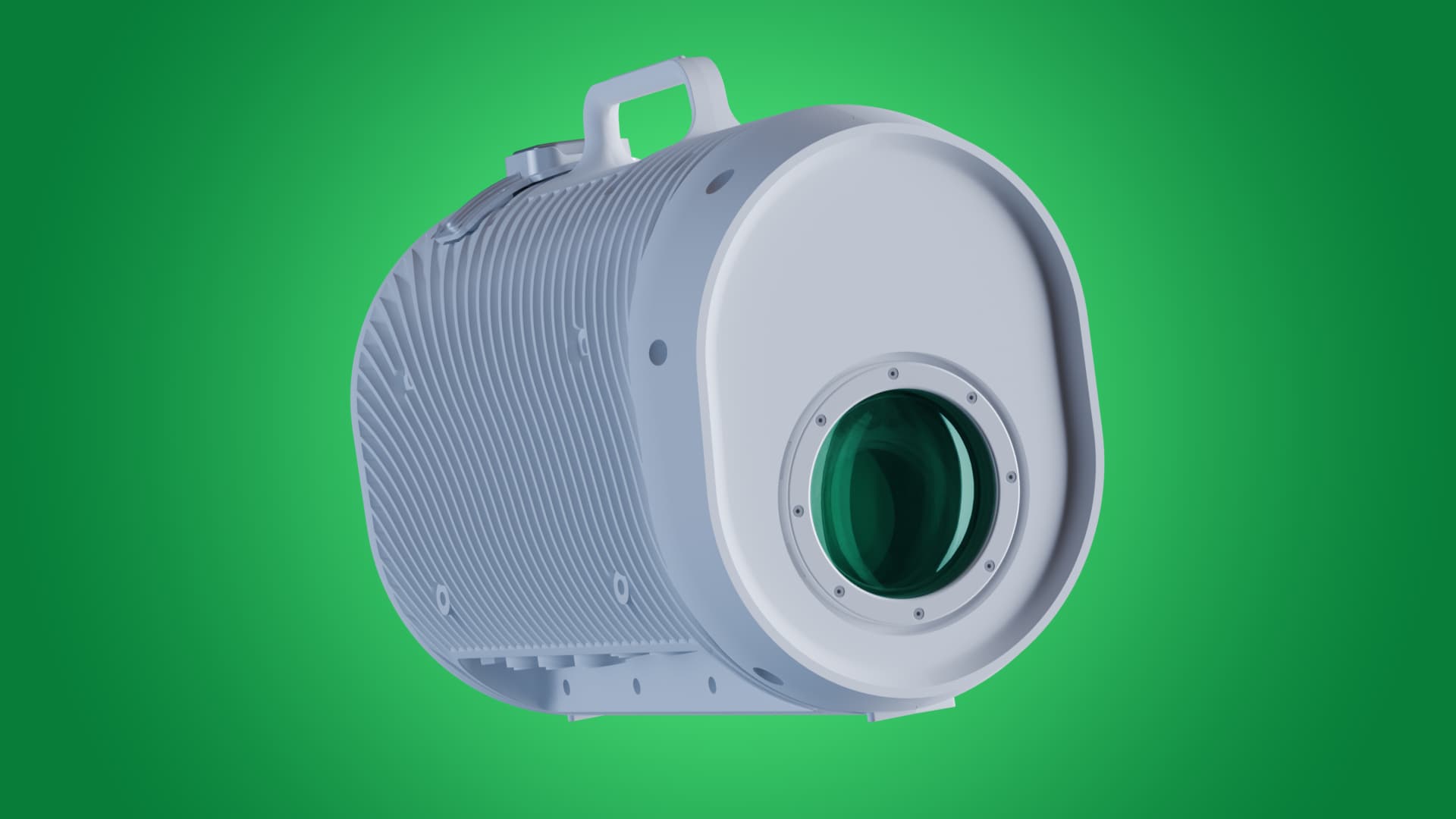
The claim places it in the same performance discussion as Taara, whose light-beam system has previously promised speeds up to 25Gbps under optimal conditions.
You may like-
 This tiny device delivers 25Gbps internet speeds over invisible beams of light
-
 What CES 2026 didn’t show: The quiet crisis in wireless capacity nobody is talking about
-
 Qualcomm introduces Wi-Fi 8 chips with a startling speed boost at MWC 2026
10 Gbps speeds face real-world line-of-sight limitations
pureLiFi’s chief executive, Ron Schaeffer, stated that “LiFi is no longer just a faster alternative; it is the fundamental DNA of the modern network.”
He added the architecture is “more than just 10 Gbps LiFi tech,” describing it as a roadmap enabling telecom operators to bring the capacity of 5G, satellite, and fiber indoors “with zero friction.”
The company argues this approach ensures users receive the bandwidth they pay for while reducing interference and improving security.
The commercial emphasis is on Fixed Wireless Access and indoor signal quality.
Are you a pro? Subscribe to our newsletterContact me with news and offers from other Future brandsReceive email from us on behalf of our trusted partners or sponsorsBy submitting your information you agree to the Terms & Conditions and Privacy Policy and are aged 16 or over.The Bridge XC Flex is built for self-installation, connecting outdoor broadband to indoor networks and transmitting data through windows without drilling or professional setup.
pureLiFi says installation takes under five minutes, cutting subscriber acquisition costs and speeding deployment timelines for providers.
Field trials with major telecom operators have been completed, and the product is scheduled to ship later in 2026.
What to read next-
 World internet speed record of 430,000Gbps achieved using bog-standard optic fiber cables, fast enough to download Battlefield 6 in one millisecond — new tech set to be critical in research for wireless 7G
-
 Who needs 5G, or even 6G? New breakthrough can transmit at 15 gigabytes per second - that's enough for a whole weekend's worth of movies
-
 ‘We built a technology which uses light to control light’: Finchetto CEO on ditching electronics to make networks faster
Additional devices like the LiFi Cube Mini Kitefin XE further expand the portfolio.
While the former is a secure high-bandwidth unit for remote work and gaming, the latter targets mission-critical indoor environments that require minimal interference.
pureLiFi also promotes “Security for All,” arguing that systems derived from technology used in classified networks are now accessible across home and enterprise segments.
There is, however, a technical constraint that cannot be ignored. LiFi requires a direct line of sight between transmitter and receiver.
If a hand or object obstructs the light path, the connection stops functioning.
That requirement introduces practical limitations that differ from radio-based systems that can penetrate obstacles.
The broader proposition rests on whether lower installation costs and high theoretical throughput can outweigh that visibility dependency.
While the company frames LiFi as foundational network infrastructure, adoption will likely depend on how effectively it manages that physical constraint in everyday environments.
Follow TechRadar on Google News and add us as a preferred source to get our expert news, reviews, and opinion in your feeds. Make sure to click the Follow button!
And of course you can also follow TechRadar on TikTok for news, reviews, unboxings in video form, and get regular updates from us on WhatsApp too.
 Efosa UdinmwenFreelance Journalist
Efosa has been writing about technology for over 7 years, initially driven by curiosity but now fueled by a strong passion for the field. He holds both a Master's and a PhD in sciences, which provided him with a solid foundation in analytical thinking.
View MoreYou must confirm your public display name before commenting
Please logout and then login again, you will then be prompted to enter your display name.
Logout Read more
What CES 2026 didn’t show: The quiet crisis in wireless capacity nobody is talking about
Qualcomm introduces Wi-Fi 8 chips with a startling speed boost at MWC 2026
World internet speed record of 430,000Gbps achieved using bog-standard optic fiber cables, fast enough to download Battlefield 6 in one millisecond — new tech set to be critical in research for wireless 7G
Who needs 5G, or even 6G? New breakthrough can transmit at 15 gigabytes per second - that's enough for a whole weekend's worth of movies
‘We built a technology which uses light to control light’: Finchetto CEO on ditching electronics to make networks faster
 TechRadar's MWC Awards 2026 — our 12 winners from the big show
Latest in Pro
TechRadar's MWC Awards 2026 — our 12 winners from the big show
Latest in Pro
 Adobe Lightroom Classic (2026) review: Perfect photo organization with time-saving AI at it's best - but it can be hit and miss
 Munbyn RealWriter 405B dual-color thermal printer review
 Hackers exploit OpenClaw to spread malware via GitHub - and a little help from Bing
 ‘The American people should not be footing the bill for the benefit of private companies': Tech giants sign White House pledge to not pass on data center electricity costs to consumers - here's everything you need to know
 Microsoft warns of new signed malware which deploys remote monitoring tools as backdoors
 Chinese hackers hide malware within Windows and Google Drive to hit government targets
Latest in News
Chinese hackers hide malware within Windows and Google Drive to hit government targets
Latest in News
 OpenAI introduces ChatGPT 5.4 Thinking for solving bigger problems
 AdGuard enters the metaverse: VPN and ad-blocker extensions launch on Meta Quest
 Staff are seeing a lot more from our smart glasses than we might want
 ‘F1.4 would be wild’ — Canon tipped to launch a game changing zoom lens in 2026
 The rare Nintendo PlayStation hardware prototype that was never released has been acquired by The National Videogame Museum
 'A liability trap' — NordVPN slams Utah age verification law targeting VPN users
LATEST ARTICLES
'A liability trap' — NordVPN slams Utah age verification law targeting VPN users
LATEST ARTICLES- 1Taara's rival promises 10Gbps wireless internet with a seemingly cheaper plug-and-play setup, but there's a big elephant in the room
- 2Apple's MacBook Neo nails the netbook by being nothing like it
- 3Hackers exploit OpenClaw to spread malware via GitHub - and a little help from Bing
- 4OpenAI introduces ChatGPT 5.4 Thinking for solving bigger problems
- 5‘F1.4 would be wild’ — Canon tipped to launch a game changing zoom lens in 2026